Love, American Style
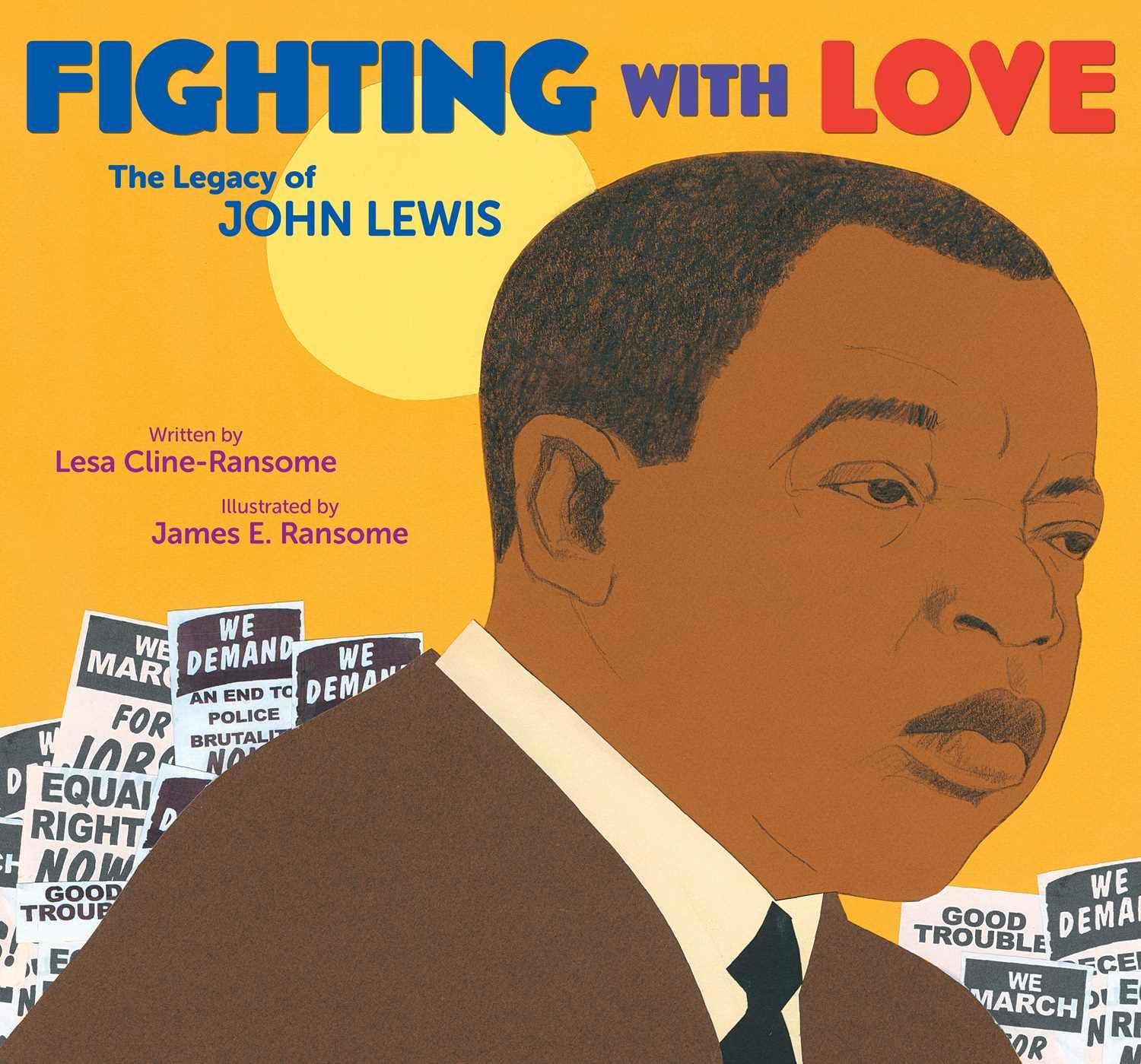
Years before watching Bad Bunny’s love letter to the world at this year’s Superbowl—and before the right wing’s meltdown that the Puerto Rican-born American performer was “a foreigner, “ who “hates this country”—I wrote a book about love.
Years before Bad Bunny flew a banner above the stage proclaiming “The Only Thing More Powerful than Hate is Love” and an alternative Superbowl entertainment lineup billed as “The All-American Half Time Show” was performed, I wrote a book about what it means to be an American.
To be clear, this was not the book I intended to write. I like writing stories about grit and determination. Perseverance and overcoming obstacles. Love and America? Not so much. But sometimes the stories we set out to write take us where we need to go.
My books often dive deep into history. Hard history of Jim Crow, segregation, Sundown towns, and lynchings. What I find most stunning is how people who are repeatedly discriminated against and victimized by terror organizations remain loyal to this country. Or loyal at least to the hope and promise of what this country might be.
When Black men and women joined the armed forces to fight for this country, they were often relegated to the most menial tasks. Segregated by race, they were placed in inferior quarters, ate only after their fellow white soldiers had eaten. My own father, a Korean War veteran, once shared that he spent his entire tour of duty not engaged in combat, but peeling potatoes.
And yet, we have the 54th Massachusetts Infantry, one of the first Black regiments to fight in the Civil War; World War I’s Harlem Hellfighters who spent longer in combat than any other American unit; WWII’s fearless Tuskegee Airmen, the first Black aviators unit; the 761st Tank Battalion who served under General Patton and were the first to enter combat; and the women of the 688th Battalion who developed systems to deliver mail to thousands of soldiers overseas during WWII.
Black soldiers who fought for this country returned home to segregation and discrimination and lynching. The GI Bill, which granted loans and educational opportunities to those who served in World War II, was apparently only intended for white military service men and women. Nearly one million Black veterans were denied housing loans, unemployment benefits, and educational opportunities. Which means that after fighting for this country they were denied their chance to embrace the American dream of higher education and owning their own homes.
Congressman, Freedom Rider, and Civil Rights activist, John Lewis, made love the cornerstone of his life. When I began researching the story of this national icon I was aching to dive in. I read John Meacham’s biographical account, His Truth is Marching On; Lewis’ own autobiography, Walking With the Wind: A Memoir of the Movement and March, his graphic novel series. I visited the Rosa Parks museum, the Civil Rights museum. And on one spring day in Alabama, I followed Lewis’s footsteps across the Edmund Pettus Bridge, the site of the infamous Bloody Sunday incident.
Raised in the Baptist church, Lewis embraced the nonviolent movement by also studying the work of Mahatma Gandhi and the holy books of Judaism, Islam, Buddhism, and Hinduism.
His was a story I needed to tell. One deadline passed and then another. Emails began appearing from my editor. How is John going?
Stories are personal. I need to feel a connection to the people and period I am researching and writing. As much as I admired John Lewis, I had a harder time admiring how he withstood taunts, name calling, arrests in the name of love and country.
As more weeks passed and the story stalled, I made my way into my small town’s village center one Sunday in early November. Election Day was near and my women’s political group decided to join a planned protest at our town’s one intersection. There weren’t many of us but we wanted to counter the series of “Trump caravans” that had been traveling through our town and a number of others in the Hudson Valley that fall. I stood with a group of my Resisters, the sole black woman in the crowd as the caravan entered town, pickup trucks leading the way, car horns honking, Trump 2020 signs flashing. We stood side by side with our signs.
It wasn’t long before I heard it. “N***er!” one of them shouted. “White Lives Matter” another screamed. My fists curled and I stepped forward reflexively. My instinct is to fight. My instinct is to yell louder. But on this day I did neither. I thought of John Lewis. If he could withstand so much, couldn’t I at least try to stand silently, nonviolently, as they hurled hate?
“Nonviolence is love in action,” John Lewis believed.
I thought of John Lewis at lunch counters, being cursed at, spit on. Being hauled off to jail again and again for protesting. I thought of him standing as people on horses charged at him, beating him unconscious. All because he was demanding the rights afforded citizens of this country.
“No child is born in hate,” John Lewis insisted.
I tried to reconcile these words as I silently watched this caravan, spewing their hate and anger through town after town. What I saw wasn’t pro-anything. It was an anti-everything. But I did begin to see hate through a different lens. John Lewis’s lens. I tried to imagine this angry, racist crowd as their once innocent selves. Free of the hate that now consumed them.
When I got home, I went straight to my desk and started writing.
Before John Robert Lewis was old enough to read the word “love” in his Bible, he could feel it all around him.
John Lewis went on to serve sixteen terms as a United States Congressman because he believed in the foundational principles of this country: liberty, individual rights, equality, and democracy. And he believed that leading with love will make this country stronger.
For John, fighting with his heart was his most powerful tool. “Nonviolence is love in action,” he said.
If being patriotic means being loyal to this country, then there’s no one quite more patriotic than those who have suffered under its flag and gone on to continue to live and love and laugh and work and dance and serve and salute and most importantly demand that this country do better.
Who gets to decide what patriotism looks like? What does it mean to love your country?
I applaud Bad Bunny not just for his energetically powerful performance at the Superbowl, but for the ways that he and all of those who, in spite of all the hatred witnessed each and every day, continue to believe in a country that hasn’t loved them back. For continuing to hold America accountable. For continuing, in this intensely challenging moment, to believe in the enduring power of love.
In community,
Lesa